How to Fix a Chipped or Broken Tooth (Composite Bonding vs. Crowns)
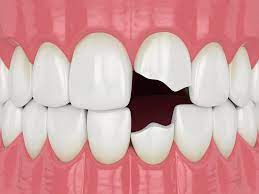
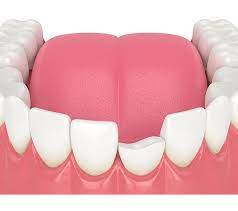
It’s a moment that causes instant panic: you bite down on something hard or have a minor accident, and suddenly you feel that jagged edge. A chipped or broken tooth can be alarming, affecting your smile, your confidence, and sometimes your ability to eat comfortably.
The good news is that this is one of the most common and easily solvable problems in modern dentistry. If you’re wondering how to fix a chipped tooth, you’ve likely come across the two leading solutions: Composite Bonding and Dental Crowns.
But which one is right for you? The choice between composite bonding vs. crowns depends entirely on the size of the chip, the location of the tooth, and your long-term goals.
As dental experts welcoming thousands of international patients to our clinics in Istanbul and Antalya, we specialize in this exact decision. This guide will walk you through both options so you can make an informed choice.
Table of Contents
First Aid: What to Do Right After You Chip Your Tooth
Before you decide on a repair, here are the immediate steps to take:
- Rinse Your Mouth: Use warm salt water to clean the area.
- Save the Piece (If Possible): If you can find the broken fragment, save it in milk or your own saliva and bring it to your dentist.
- Manage Pain: If you’re in pain, a cold compress on the outside of your cheek and an over-the-counter pain reliever can help.
- Be Careful Eating: Avoid biting down on the broken tooth.
Solution 1: Composite Bonding (The 'Artistic' Repair)
Think of composite bonding as a dental sculptor’s tool. It’s a tooth-colored resin material that is applied directly to your tooth, shaped, and hardened to “rebuild” the missing part.
What is Composite Bonding?
Composite Bonding is a minimally invasive procedure. We use a high-quality composite resin (like 3M Filtek Supreme or Nano Filltek Composite Bonding) that our aesthetic dentists, like Dr. Betül Semercioğlu, expertly match to the exact shade of your natural teeth. The resin is applied in layers, sculpted to perfection, and then hardened using a special curing light.
Who is the Ideal Candidate for Bonding?
Composite bonding is the perfect answer for:
- Small-to-moderate chips, especially on front teeth.
- Cosmetic imperfections like small gaps or discolorations.
- Patients who want a fast, single-visit solution.
Cases where the tooth’s underlying structure is still strong.


The Patient Journey: A Single-Visit Fix
This is the “speed of access” advantage. The entire composite bonding procedure is typically completed in just one appointment lasting 30-90 minutes. You can walk into our Istanbul or Antalya clinic with a chipped tooth and walk out with a complete smile on the same day.
Pros & Cons of Composite Bonding
- Pros:
- Minimally Invasive: We remove little to no natural tooth enamel.
- Fast: Completed in a single visit.
- Affordable: It’s one of the most cost-effective cosmetic dental procedures.
- Aesthetic: Looks incredibly natural when done by a skilled dentist.
- Cons:
- Less Durable: It’s not as strong as porcelain and can chip again.
- Can Stain: The resin is porous and can stain over time from coffee, tea, or smoking.
- Shorter Lifespan: Typically lasts 5-10 years before needing a touch-up.
Solution 2: Dental Crowns (The 'Protective' Restoration)
If composite bonding is like a patch, a dental crown is like a helmet. It’s a custom-made “cap” that covers your entire tooth, restoring its shape, size, and most importantly, its strength.
What is a Dental Crown?
A Dental Crown is a full-coverage restoration. At our clinic, we use premium, biocompatible materials like Ivoclar E-max (a beautiful, translucent ceramic perfect for front teeth) and monolithic Zirkonzahn (a “bulletproof” ceramic ideal for back teeth). A Zirconia Crown offers the ultimate blend of strength and beauty.
Who is the Ideal Candidate for a Crown?
A crown is the necessary solution for:
- Large breaks or fractures, where a significant portion of the tooth is missing.
- Broken molars (back teeth) that endure heavy chewing forces.
- Teeth that are severely weakened by decay or a previous root canal.
- Cracked teeth (Cracked Tooth Syndrome), to hold the tooth together.
The Patient Journey: A 5-Day "Dental Holiday"
In your home country, this process can take weeks. In Turkey, we complete it in days.
- Visit 1 (Day 1): We prepare the tooth, take a digital 3D scan, and place a high-quality temporary crown.
- Visit 2 (Day 3-5): Our in-house lab fabricates your custom crown. You return for a final fitting, and we permanently bond your new, durabl
Pros & Cons of Dental Crowns
- Pros:
- Superior Strength: The best solution for restoring function to a broken tooth.
- Durability: Can last 15+ years with proper care.
- Stain Resistant: Porcelain and zirconia do not stain.
- Full Protection: Protects the underlying tooth from any further damage.
- Cons:
- More Invasive: Requires us to “prepare” or reduce the tooth’s size.
- Higher Cost: A more significant (but longer-lasting) investment than bonding.
Multiple Visits: Takes at least two appointments to complete
EXCELLENTTrustindex verifies that the original source of the review is Google. I came from abroad to get my zirconia crowns done there and I was honestly a bit nervous about getting dental treatment abroad, but I’m so glad I chose this clinic. I came here for zirconia crowns, and from the very first moment, the whole team was so welcoming and supportive. The clinic is very clean which is why I immediately felt more comfortable. A huge thank you to Sila, who was incredibly kind with me. She really made everything easier for me. I was able to overcome my fear and go through the treatment without stress. I’m very happy with the whole experience. I definitely recommend this place to anyone considering dental treatment in Turkey!Posted onTrustindex verifies that the original source of the review is Google. I visited OGN back in August wanting to change my smile my biggest insecurity I have had for my years not only did I change my smile its changed my life .. so professional clean and beautiful a big thankyou especially Daniel who went above and beyond for me can't thank you guys enough and can't wait to returnPosted onTrustindex verifies that the original source of the review is Google. I had arrived in July for 1x extraction 2x implants and 6x composite bonding being only 19 and traveling on my own the OGN team made everything as comfortable and smoothly as possible even dropping off extra Gauze pads at midnight to my hotel after I (stupidly) fell asleep on the side of my implant. All of the dentist are perfectionist and made sure I was happy before leaving. My price stayed the same and I highly recommend them to anybody that feels nervous like I did currently looking to book my 2nd visit and can’t wait to go back ⭐️⭐️⭐️⭐️⭐️Posted onTrustindex verifies that the original source of the review is Google. Güzel hizmetPosted onTrustindex verifies that the original source of the review is Google. Sıla Hanım'a çok teşekkür ediyorum randevu alırken hiç zorlanmadımPosted onTrustindex verifies that the original source of the review is Google. Diş ağrısı için arkadaşımın önerisiyle gittim, içerisi kalabalıktı çok beklerim sandım ama beni o kadar hızlı içeri aldılar ve yardımcı oldular ki ilk kez bir dişçinin böyle iyi olduğunu gördüm. Ön dişlerim için de zirkon düşünüyorum, çok hızlı fiyat ve planlama yapıldı. Randevum da çok hızlı verildi, gerçekten bu kadar yakınımda bu kadar iyi bir yer varmış haberim yokmuş, teşekkürler, ayrıca resepsiyondaki İrem Hanım'a ve klinik müdürü Nisa Hanım'a teşekkürlerPosted onTrustindex verifies that the original source of the review is Google. İlginiz için çok teşekkür ediyorum. Çalışanlarınız güler yüzlü ve oldukça samimiydi. Sıla Hanım'a özellikle teşekkür etmek istiyorum. Kendisi oldukça kibardı ve her isteğimi nazikçe yerine getirdi. ❤️ Yeniden çok teşekkür ediyorum. Bu kliniği seçtiğinizde pişman olmayacağınızı özelikle garanti ediyorum. 😌Posted onTrustindex verifies that the original source of the review is Google. Kafamdaki soru işaretlerine cevap bulduğum yerrrr.Posted onTrustindex verifies that the original source of the review is Google. Uzun zamandır güvenilir bir klinik arıyordum arkadaşımın tavsiyesiyle burayı buldum.Gerçekten personel ilgi bakımından müthiş aklımda tek bir soru işareti bile kalmadı. Doktorların ne kadar iyi olduğundan söz etmeme bile gerek yok. Tekrardan teşekkürler OGN Dental Studio
A Note from Our Expert: Making the Right Clinical Choice: A message from Dr. Müjde Sevimay - Head Dentist & Prosthodontist
“As a prosthodontist, my decision between bonding and a crown is always based on structural integrity and functional load. A patient might ask for bonding on a broken back tooth, but the ‘occlusal load’—the sheer force of chewing—will cause it to fail.
Conversely, a common fear with crowns is, ‘Will you shave my tooth down to a nub?’ This is a myth based on outdated dentistry. We practice minimally-invasive preparation. We only remove the precise amount of structure needed for the crown to fit. For a small chip on a front tooth, bonding is an art form. For a fractured molar, a zirconia crown is a non-negotiable, long-term solution for health.”
Holistic Expertise: What if Neither Bonding nor a Crown is the Answer?
An honest, expert-driven clinic knows that the choice isn’t just composite bonding vs crown. Sometimes, your situation requires a different path.
- The Damage is Very Superficial (Micro-chips)
If you just have tiny, rough edges on your front teeth but want a full aesthetic enhancement, fixing one chip might look uneven.
- Better Alternative: Laminate Veneers. These thin porcelain shells cover the entire front surface of multiple teeth to create a uniform, durable, and stunning smile makeover.
- The Break is Severe and Reaches the Nerve
If your tooth is broken severely, you may feel a sharp, lingering pain. This means the nerve (the pulp) is exposed or infected.
- Preparatory Treatment: You will need a Root Canal Treatment first. This procedure cleans the infected nerve, eliminating the pain. A crown is then required afterward to protect the now-brittle tooth.
- The Tooth is Broken Off at the Gumline
If the tooth is broken so badly that there is nothing left to “cap,” a crown has nothing to hold onto.
- Better Alternative: Dental Implants. This involves removing the root and replacing it with a titanium post that acts as a new root, which is then restored with a permanent crown.


Why Fix Your Chipped Tooth at Perfect Smile Turkey?
Whether you need a simple bonding repair or a full set of zirconia crowns, choosing Dental Clinic Antalya means choosing a “smart value investment” without compromise.
- World-Class Experts: Our team includes specialists for every need. Dr. Wahid Kathuda can artistically sculpt your bonding, while our Head Prosthodontist, Prof. Dr. Müjde Sevimay, can manage the most complex crown and full-mouth restorations.
- The Best Materials: We use globally-recognized, premium brands like 3M, Ivoclar, and Zirkonzahn.
- Unmatched Efficiency: Our in-house digital labs in Istanbul and Antalya mean we deliver in days what takes weeks elsewhere.
- Verified Trust: We are fully licensed by the Turkish Ministry of Health, hold an International Health Tourism Certificate, and adhere to strict ISO quality standards.
Don’t let a chipped tooth steal your confidence. The solution is faster, simpler, and more affordable than you think. Explore all our dental treatments and let us help you find the perfect fix.
FREQUENTLY ASKED QUESTIONS (FAQ)
For most small-to-moderate chips on a front tooth, composite bonding is the preferred solution. It's minimally invasive, looks very natural, and can be done in a single visit. A crown is only needed if the chip is very large or the tooth is structurally compromised.
With good care, composite bonding on a chipped tooth can last between 5 and 10 years. To maximize its lifespan, you should avoid biting hard objects (like ice or pens) and be mindful of staining from coffee or tobacco.
No. Composite bonding is typically a painless procedure that doesn't even require anesthesia. If you are getting a dental crown, the area will be completely numbed with local anesthesia, so you will not feel any pain during the tooth preparation.
Composite bonding is significantly more affordable than a crown, as it's a simpler, single-visit procedure. A crown is a larger investment, but it is also a much stronger, more durable, and longer-lasting restoration. Both options in Turkey are 60-70% more affordable than in the UK or USA

Medically Reviewed for Prosthetic Accuracy
by Prof. Dr. Müjde Sevimay (Prosthodontics Professor)
Review Date: October 12, 2025
Additional Specialist Reviews
- Aesthetic Design review by Dr. Betül Semercioğlu on October 11, 2025
- Cosmetic Materials review by Dr. Wahid Kathuda on October 10, 2025
- Foundational Alignment review by Dr. Hatice Tuçe Yeyen on October 9, 2025
Written by Selman Selim Cengiz, our Content Architect with 6+ years of experience in medical editing.
Content Last Updated on February 10, 2026.