The Limits of Composite Bonding: An Aesthetic Doctor's Honest Guide
In the world of cosmetic dentistry, social media trends often paint a picture of instant perfection. You’ve likely seen the “Turkey Teeth” transformations or the quick fixes on TikTok. While we love the enthusiasm for a better smile, as medical professionals, we have a duty to be transparent. Composite bonding is a fantastic, minimally invasive treatment, but it is not magic. It has physical and aesthetic boundaries.
At Perfect Smile Dental Clinic, with locations in Istanbul and Antalya, we believe the happiest patient is an informed patient. Understanding the limits of composite bonding is just as important as understanding its benefits. Whether you are flying in from London or New York, we want you to return home with a smile that lasts, not one that leaves you with regrets.
Table of Contents
What is Composite Bonding?
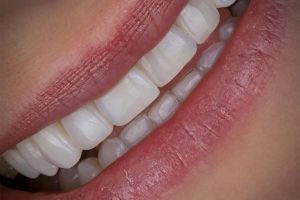
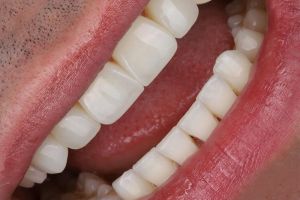
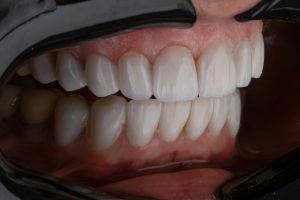
Before we discuss the limitations, let’s clarify what the treatment involves. Composite bonding involves applying a tooth-colored resin material directly to the tooth surface. An aesthetic doctor sculpts this material to fix chips, close gaps, or change the shape of a tooth.
Unlike porcelain veneers, which are crafted in a lab, bonding is “freehand” artistry performed chairside. At our clinics, we use premium materials like 3M Filtek Supreme or Nano Filltek Composite Bonding. These are high-grade, aesthetic materials designed to mimic the translucency of natural enamel. However, even the best material has specific properties you must respect.
The Honest Limits of Composite Bonding
When patients ask us, “Is bonding right for me?”, we look at three critical factors: bite force, color expectations, and lifestyle habits. Here is the honest breakdown of where bonding reaches its limit.
- The Limit of Strength (Biting Forces)
Composite resin is strong, but it is not as strong as natural enamel or zirconia.
- The Risk: If you use your bonded teeth to tear open packaging, bite your nails, or chew on ice, the bonding will chip.
- The Reality: Bonding is excellent for aesthetic corrections, but it cannot withstand the heavy shearing forces of a misaligned bite (malocclusion). If you grind your teeth (bruxism) heavily at night, bonding may fail prematurely unless protected by a night guard.
- The Limit of Color Stability (Staining)
This is the most common concern. “Will my bonding stain?” The honest answer is: yes, eventually.
- The Science: While 3M Filtek materials have excellent polish retention, composite resin is microscopic porous compared to glazed porcelain.
- The Lifestyle Factor: Heavy smokers or patients who consume large amounts of coffee, red wine, or turmeric will notice the bonding losing its brightness faster than natural teeth or porcelain veneers. Porcelain is glass-like and impervious to stains; composite is not.
- The Limit of Color Change
Composite bonding is additive. We are adding material over your natural tooth.
- The Constraint: We cannot make a very dark tooth look widely white with bonding without making it look bulky. The underlying tooth color can show through. If you desire a Hollywood white smile but have dark natural teeth, bonding is often not the correct pathway.
Expert Insight: A Note from Prof. Dr. Betül Semercioğlu
The following section provides specific clinical insights from our lead aesthetic specialist.
“In my years of practicing aesthetic dentistry, I often tell patients: Composite bonding is art, not mechanics. But it is art painted on a canvas that moves, chews, and exists in a wet environment.
Technically, the limit of bonding lies in the ‘Bonding Interface.’ We rely on micromechanical retention. If a patient has less than 50% of their natural tooth structure remaining, I technically cannot recommend bonding. The surface area for adhesion is simply too low for long-term success.
A common patient concern: ‘Doctor, will it look thick/bulky?’ My Clinical Response: This is a valid fear. Because we don’t shave down the tooth (or shave very little), adding material adds volume. To avoid the ‘bulky’ look, we must use high-polish nano-composites and layer them thinly near the gum line. If your teeth are already prominent, adding bonding might push your lip out unnaturally. In those cases, we must discuss alternatives


How Long Does Composite Bonding Last?
This is the most frequently asked question. If you search for how long does composite bonding last, you will see answers ranging from 3 to 10 years.
In our experience at Perfect Smile Dental Clinic, with proper care:
- Average Lifespan: 5 to 7 years.
- Maintenance: You will likely need a “polish and repair” appointment every 1-2 years to remove surface stains and smooth out any minor edge chips.
If you compare this to porcelain veneers (which can last 15-20 years), bonding is a medium-term solution, not a permanent one. This is why we position it as a “smart value investment”—it is affordable and reversible, making it a great entry point into cosmetic dentistry.
Who is the Ideal Candidate?
You are an excellent candidate for composite bonding if:
- You have minor chips or cracks.
- You have small gaps (diastema) you want to close.
- Your teeth are generally healthy and straight.
You want a “Mini Smile Makeover” rather than a full reconstruction
Holistic Expertise: When Bonding is NOT the Answer (Contraindications)
As holistic experts, we don’t just sell treatments; we diagnose solutions. There are times when bonding is contraindicated.
- Severe Misalignment: If your teeth are very crooked, bonding cannot hide it effectively. In this case, we would recommend Orthodontics or clear aligners first by our specialist, Dr. Hatice Tuçe Yeyen.
- High Aesthetic Demands (The “Hollywood” Look): If you want a permanently white, stain-resistant, perfect smile, bonding will disappoint you in the long run. For these cases, we recommend Dental Veneers (E-max or Zirconia). Veneers offer superior durability and aesthetics.
- Heavy Grinders: If you have severe bruxism, the bonding may shear off. In this case, Zirconia Crowns might be necessary for structural integrity.
Complementary Treatments
To get the best result from bonding, we often recommend Teeth Whitening before the procedure. Since bonding material does not change color, we whiten your natural teeth first, and then match the bonding to your new, brighter shade using Opalescence Boost.
The Patient Journey: Your Time in Turkey
One of the massive advantages of composite bonding is speed.
- Duration: Usually completed in one single visit.
- The Experience: Since there is no lab work required, you don’t have to wait days for ceramics to be baked. You can have your consultation in the morning and walk out with a new smile by the afternoon.
- Anesthesia: Often, no anesthesia is required as there is little to no drilling of the natural tooth.
This leaves you plenty of time to enjoy a “Dental Holiday.” Whether you choose our clinic near the historic sights of Istanbul or the sunny beaches of Antalya, the process is seamless.
Risks and Aftercare Rules
To maximize the lifespan of your bonding:
- Avoid Staining Foods: Limit coffee, tea, and soy sauce for the first 48 hours (when the material is most vulnerable).
- No Hard Objects: Do not chew ice, pen lids, or fingernails.
- Hygiene: Floss daily. Plaque can build up around the bonded edge, leading to gum irritation.
- Regular Checkups: Visit a dentist every 6 months for a professional polish.
EXCELLENTTrustindex verifies that the original source of the review is Google. I came from abroad to get my zirconia crowns done there and I was honestly a bit nervous about getting dental treatment abroad, but I’m so glad I chose this clinic. I came here for zirconia crowns, and from the very first moment, the whole team was so welcoming and supportive. The clinic is very clean which is why I immediately felt more comfortable. A huge thank you to Sila, who was incredibly kind with me. She really made everything easier for me. I was able to overcome my fear and go through the treatment without stress. I’m very happy with the whole experience. I definitely recommend this place to anyone considering dental treatment in Turkey!Posted onTrustindex verifies that the original source of the review is Google. I visited OGN back in August wanting to change my smile my biggest insecurity I have had for my years not only did I change my smile its changed my life .. so professional clean and beautiful a big thankyou especially Daniel who went above and beyond for me can't thank you guys enough and can't wait to returnPosted onTrustindex verifies that the original source of the review is Google. I had arrived in July for 1x extraction 2x implants and 6x composite bonding being only 19 and traveling on my own the OGN team made everything as comfortable and smoothly as possible even dropping off extra Gauze pads at midnight to my hotel after I (stupidly) fell asleep on the side of my implant. All of the dentist are perfectionist and made sure I was happy before leaving. My price stayed the same and I highly recommend them to anybody that feels nervous like I did currently looking to book my 2nd visit and can’t wait to go back ⭐️⭐️⭐️⭐️⭐️Posted onTrustindex verifies that the original source of the review is Google. Güzel hizmetPosted onTrustindex verifies that the original source of the review is Google. Sıla Hanım'a çok teşekkür ediyorum randevu alırken hiç zorlanmadımPosted onTrustindex verifies that the original source of the review is Google. Diş ağrısı için arkadaşımın önerisiyle gittim, içerisi kalabalıktı çok beklerim sandım ama beni o kadar hızlı içeri aldılar ve yardımcı oldular ki ilk kez bir dişçinin böyle iyi olduğunu gördüm. Ön dişlerim için de zirkon düşünüyorum, çok hızlı fiyat ve planlama yapıldı. Randevum da çok hızlı verildi, gerçekten bu kadar yakınımda bu kadar iyi bir yer varmış haberim yokmuş, teşekkürler, ayrıca resepsiyondaki İrem Hanım'a ve klinik müdürü Nisa Hanım'a teşekkürlerPosted onTrustindex verifies that the original source of the review is Google. İlginiz için çok teşekkür ediyorum. Çalışanlarınız güler yüzlü ve oldukça samimiydi. Sıla Hanım'a özellikle teşekkür etmek istiyorum. Kendisi oldukça kibardı ve her isteğimi nazikçe yerine getirdi. ❤️ Yeniden çok teşekkür ediyorum. Bu kliniği seçtiğinizde pişman olmayacağınızı özelikle garanti ediyorum. 😌Posted onTrustindex verifies that the original source of the review is Google. Kafamdaki soru işaretlerine cevap bulduğum yerrrr.Posted onTrustindex verifies that the original source of the review is Google. Uzun zamandır güvenilir bir klinik arıyordum arkadaşımın tavsiyesiyle burayı buldum.Gerçekten personel ilgi bakımından müthiş aklımda tek bir soru işareti bile kalmadı. Doktorların ne kadar iyi olduğundan söz etmeme bile gerek yok. Tekrardan teşekkürler OGN Dental Studio
Why Choose Perfect Smile Dental Clinic?
Choosing where to have your treatment is a big decision. We offer a unique blend of European standards and Turkish hospitality.
- Expertise: Our team, including Prof. Dr. Müjde Sevimay and Dr. Wahid Kathuda, specializes in aesthetic restoration.
- Accreditations: We hold the International Health Tourism Certificate and are members of the TDB (Turkish Dental Association).
- Technology: We utilize digital smile design to plan your outcome before we even touch your teeth.
We understand that you are looking for value, but never at the cost of quality. Our goal is to give you a smile that looks beautiful and, most importantly, honest to who you are.


FREQUENTLY ASKED QUESTIONS (FAQ)
Yes, one of the biggest advantages of composite bonding is that it is usually reversible. Because we rarely remove significant natural tooth structure, the composite can be polished off. However, replacing it with a new restoration (like veneers) is usually recommended to maintain aesthetics.
No, composite bonding is one of the least invasive dental procedures available. It does not "ruin" teeth because it typically requires no drilling or very minimal etching of the enamel surface, unlike crowns or veneers which require tooth reduction.
Composite bonding typically lasts 5 to 7 years with proper care, whereas porcelain veneers can last 15 to 20 years. Bonding is more susceptible to chipping and staining over time, while veneers are highly durable and stain-resistant.
No, composite resin material does not respond to whitening gels. If you want a whiter smile, you must whiten your natural teeth before the bonding procedure. If you whiten your teeth after bonding, your natural teeth will get lighter, but the bonding will stay the same color, creating a mismatch.
Generally, composite bonding is completely painless. Since the dentist is working on the surface of the enamel (which has no nerves), anesthesia is rarely needed unless there is decay present or the tooth is extremely sensitive.

Medically Reviewed for Prosthetic Accuracy
by Prof. Dr. Müjde Sevimay (Prosthodontics Professor)
Review Date: October 12, 2025
Additional Specialist Reviews
- Aesthetic Design review by Dr. Betül Semercioğlu on October 11, 2025
- Cosmetic Materials review by Dr. Wahid Kathuda on October 10, 2025
- Foundational Alignment review by Dr. Hatice Tuçe Yeyen on October 9, 2025
Written by Selman Selim Cengiz, our Content Architect with 6+ years of experience in medical editing.
Content Last Updated on February 10, 2026.